Every swipe, every click, a prize waiting – this pattern runs deep now, shaping what fun feels like without saying much at all. A short time back, playing meant only play, watching videos asked nothing of you, and online chats stayed personal. These days? Even quiet moments vibrate with something just about to happen. A notification might bring a reward. A swipe could reveal something rare. A click might unlock something exclusive, or nothing at all. This shift isn’t random. Designers rely on behavioral psychology, borrowing ideas long used in gambling systems. What stands out is how naturally these mechanics slipped into daily digital habits.
The mechanics behind the magic
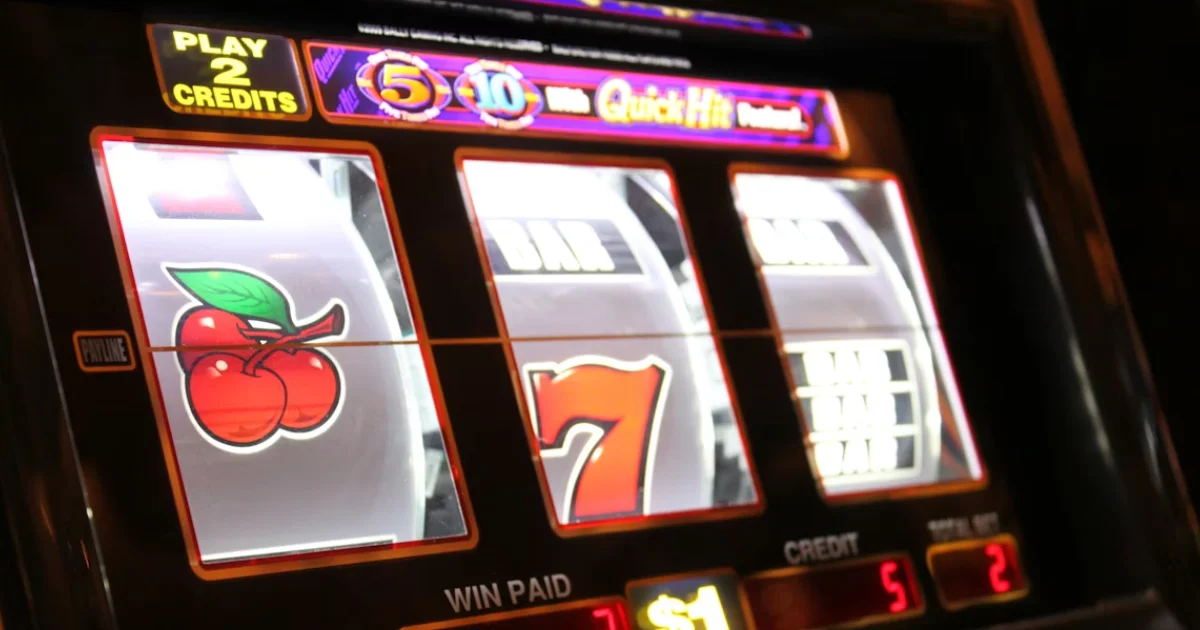
At the core of gamification lies a simple concept: unpredictable rewards. Psychologists call this a “variable ratio reinforcement schedule,” known for keeping behavior consistent. Slot machines use it. Many apps follow the same pattern. Think about loot boxes in games, algorithm-driven social feeds, or even refreshing email. The uncertainty matters. If outcomes were predictable, interest would fade. Randomness keeps curiosity alive. Research in behavioral science shows that unpredictable rewards trigger dopamine release. Dopamine is tied less to pleasure itself and more to anticipation. It’s not just about winning, it’s about the chance of winning.
Microtransactions and the illusion of control
Digital platforms offer small, frequent purchase options, skins, boosts, and tokens. Each purchase feels minor, yet over time, they form a cycle. Users feel they influence outcomes, even when results stay random. That sense of control plays a role. It keeps people engaged without obvious pressure. The system feels interactive rather than imposed.
When entertainment meets the online casino
At some point, boundaries blurred. The mechanics of a คาสิโนออนไลน์, odds, rewards, and near misses began appearing across digital platforms.
The rise of loot boxes
Out of nowhere, loot boxes became a hot topic across today’s games. You never know what you’ll get – each one hides unpredictable prizes, usually paid for with actual cash. Billions flowed into this system worldwide by 2022 alone. Then came rulings: authorities in Belgium and the Netherlands said some versions counted as gambling, so they stepped in. That decision reflects growing concern. Players still engage with them. Opening a loot box brings suspense, a brief emotional spike supported by sound and visuals. The experience is short and repeatable.
Social media: the silent game
It’s not limited to games. Social platforms use similar patterns, though less obviously.
- Notifications appear unpredictably, creating anticipation
- Feeds mix rewarding and neutral content through algorithms
- “Likes” and comments arrive irregularly
A 2023 DataReportal report shows that average daily social media use exceeds two hours. This level of engagement reflects intentional design built around reward cycles.
Why does it work so well?
Human thinking relies on shortcuts and biases that shape decisions.
- Near miss effect: almost winning feels encouraging
- Loss aversion: losses feel stronger than gains
These ideas, long observed in gambling settings, now appear in digital platforms.
The role of data and personalization
Modern systems adjust experiences for each user. Machine learning models track behavior and adapt timing, content, and interaction patterns. The result is a loop that feels natural yet carefully structured. It responds, adjusts, and keeps attention.
The ethical question nobody quite answers
Debate continues about whether these systems cross into manipulation. Some view gamification as a way to make platforms engaging. Others see a form of behavioral influence. Regulators have started to respond. The European Union has explored rules targeting design practices, especially those affecting younger users. Research into long-term effects is ongoing. The boundary remains unclear. Engagement can easily blur into something more controlling.
A generation growing up in the loop
Younger users encounter these mechanics early. Doing the same thing over for prizes starts to seem usual. Back in 2021, research published in Computers in Human Behavior pointed to a connection – seeing more loot boxes tied to increased chances of gambling issues. This link doesn’t prove one leads straight to the other, but it brings unease. Though not outright causation, it gives reason to pause.
A shift in how we define play
Entertainment used to be consumed. Now it involves participation. Users interact with systems that respond and adapt. This changes expectations. Passive content feels less engaging. Interaction becomes standard.
The future: more game, less pause
Right now, nothing suggests this will fade soon. With VR and artificial intelligence, game-like features keep finding new ground. Ahead, experiences could pull you further in, adjust prizes to fit you better, yet respond almost instantly. Slowness feels unlikely when speed shapes what comes next. The gap between play and everyday experience may narrow further. Well, yes, it sounds exciting. It also invites questions.
Conclusion
What feels fun today might have roots in something far less innocent. Built into many apps, small wins keep attention locked tight. Not every game plays fair, even if it looks harmless at first glance. A pause between actions makes the next click almost automatic. Still, seeing the pattern shifts things quietly behind the eyes. Once noticed, the rhythm isn’t magic anymore – it’s machinery. Chance changes how it feels, every time. Not just fun anymore – more like play, even if that was never the goal.